Judith Creek Roasters
The Roastery
Small by design.Exacting by necessity.
Named for the creek behind the roastery — a place of quiet and flow. Nearly twenty years of roasting, all from the same ethos: purposeful, intentional, delightful.
Sourcing Philosophy
Green quality first. Everything else follows.
This started as a personal obsession and it's stayed that way. I run what is considered a nano-roastery. On commercial grade hardware, I have taken everything I have ever learned, in running a coffee shop and roastery, attendance of a couple of SCA trade shows, several coffee and roasting specific classes and rolled that experience all together. Deep down the coffee rabbit hole I have fallen. So this, with nearly two decades of roasting, have led me here. My roasting approach remains simple: evaluate based on cultivar, processing, varietal, density, and moisture. I look for the potential for what it CAN show on the cupping table. I buy and roast what I like. High grade coffee is a gem. I treat it as such.
All coffee sourced is single origin. My list is seasonal because that's when what is available. When a harvest ends, that coffee is gone. But, each harvest brings something different, and the determination and evaluation starts over.
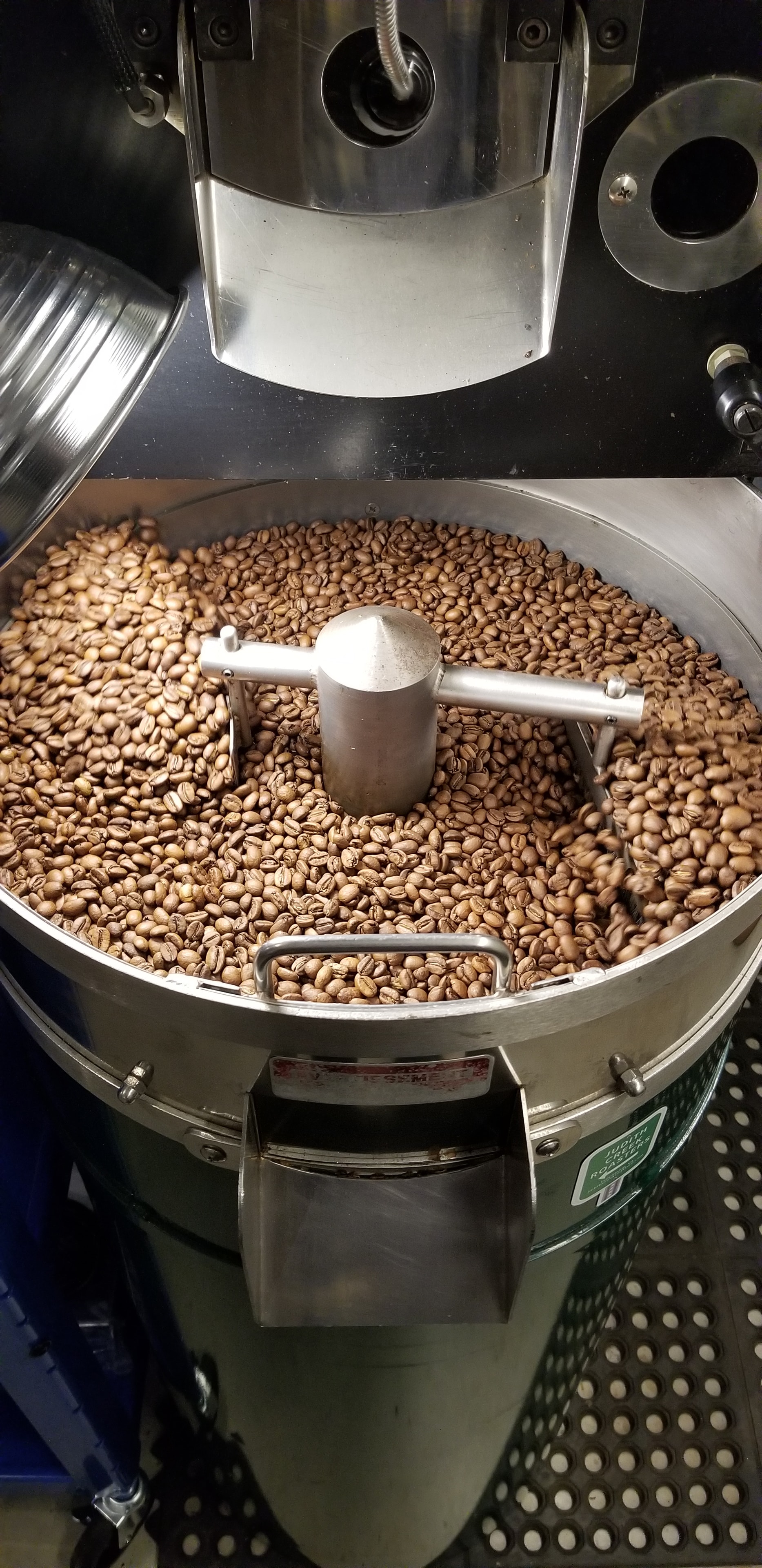
My space is modest, like my approach. Minimal fanfare and promotion, I take high-quality green into a small-batch, made in the USA, Diedrich roaster, and produce the best coffee I can. I have modified it over the years including better drum heat management, thermocoupled roasting temp sensors to increase precision, modified exhaust ducting to highly augment existing air flow. Every roast is profiled in Artisan — logged, analyzed, saved and repeated. The equipment reflects the same standard. I try to do nothing half-assed or marginal.
The Roasting Process
Roast approach is cultivar, processing, density and outcome specific
Green evaluation
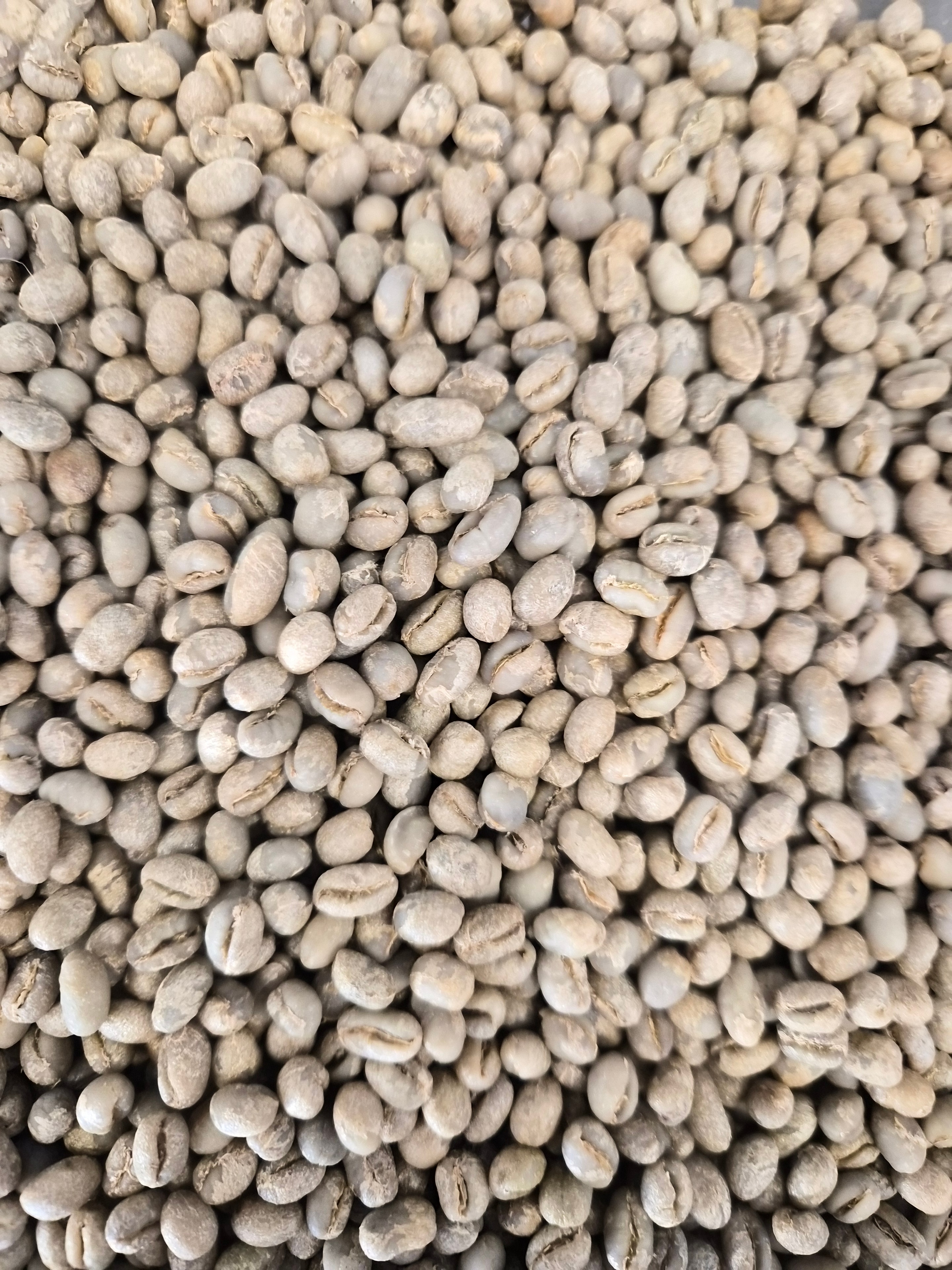
Every lot starts with a physical and sensory assessment of the green. Type, origin, processing, density, and moisture content, all inform how the coffee will behave in the roaster — from that I determine some approaches and potential roast levels.
Roast level determination
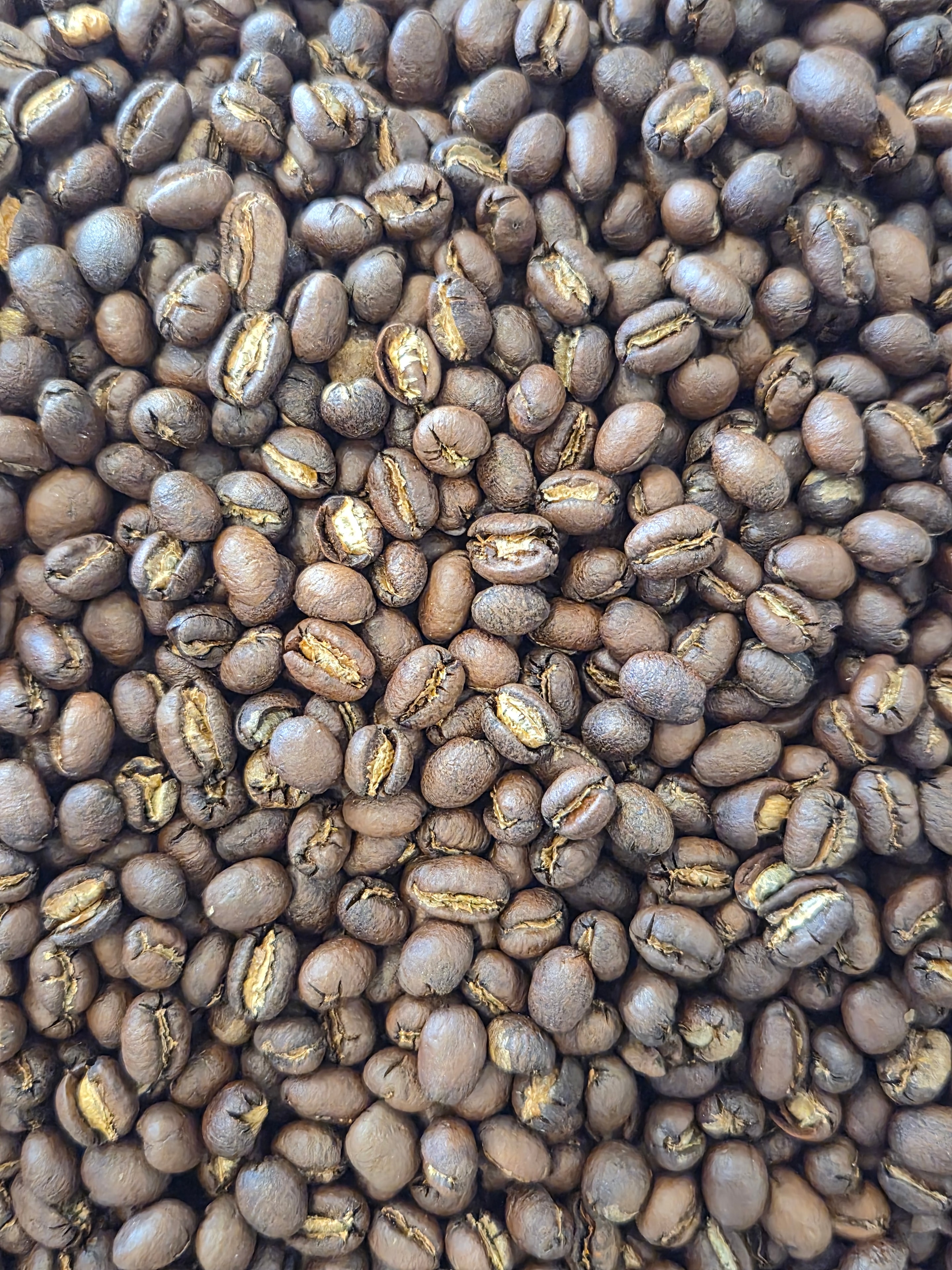
I roast mostly light (first crack), some medium (past first crack) but rarely dark (into second crack) in the roastery. I look at cultivar, processing, altitude, density — what is ideal for this bean? What are my goals? How will this coffee be used or served? No cookie cutter omni roasts. Do I approach a Panamanian Gesha like a Columbian Pacamara? No. A high-grown washed Ethiopian may want a light roast to preserve that fruity character. A less dense honey-processed Guatemalan may express better at medium. The coffee tells me, not the other way around.
Development roasting
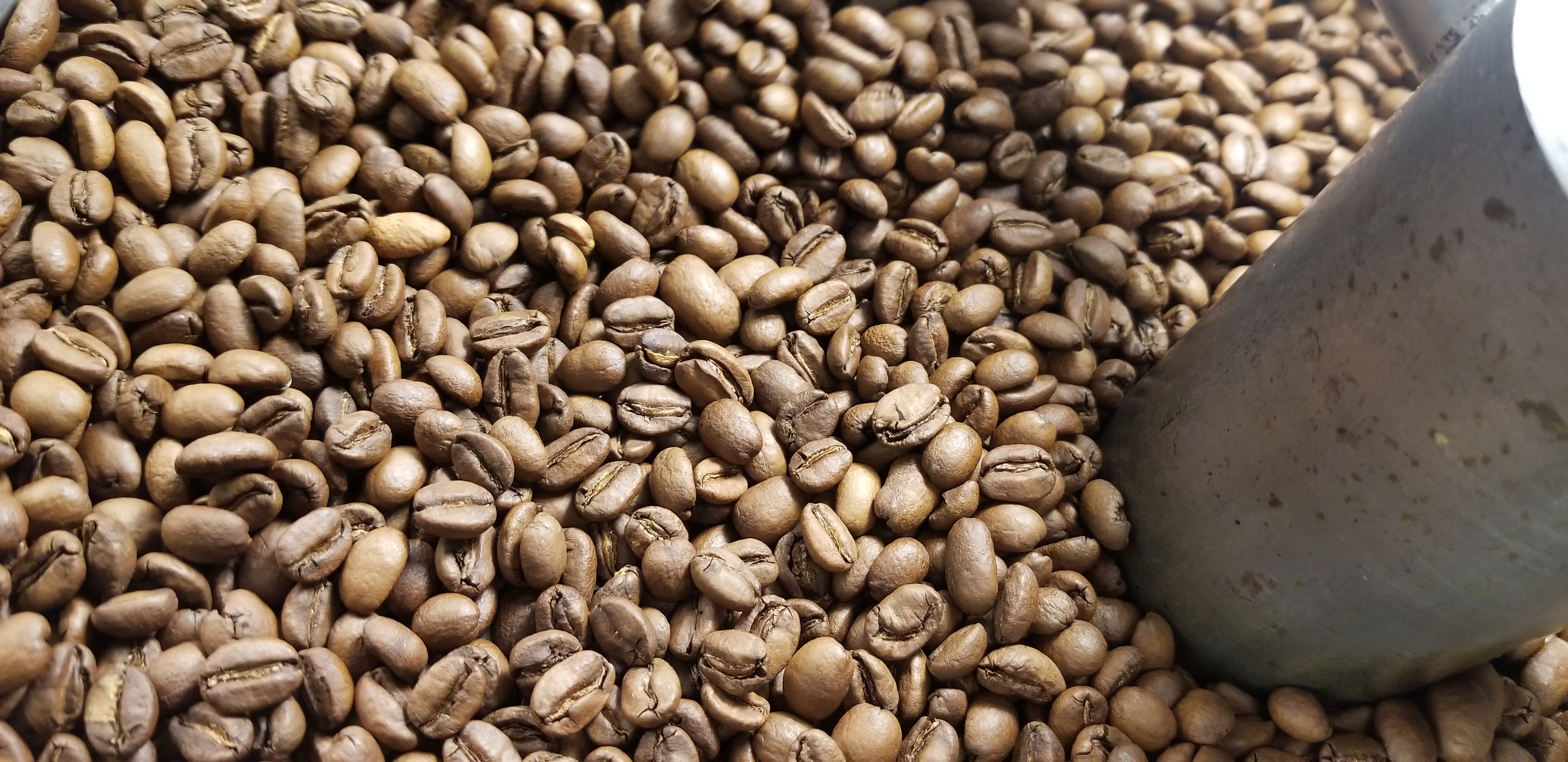
The production roaster is a small-batch Diedrich, heavily modified for consistency. Every roast is logged in Artisan (open-source) and measured and analyzed post roast. Everything tracked against the goal or objective for that coffee. Every coffee rests before it ships. We cup every production batch against the development reference. If I like it, you might too.
Food safety & facility standards
Small doesn't mean casual. The roastery operates to NSF food safety standards — clean surfaces, controlled storage, documented procedures. Every step from green intake to wholesale bag follows protocols you'd expect from a professional facility, because that's what the coffee and the people receiving it deserve.
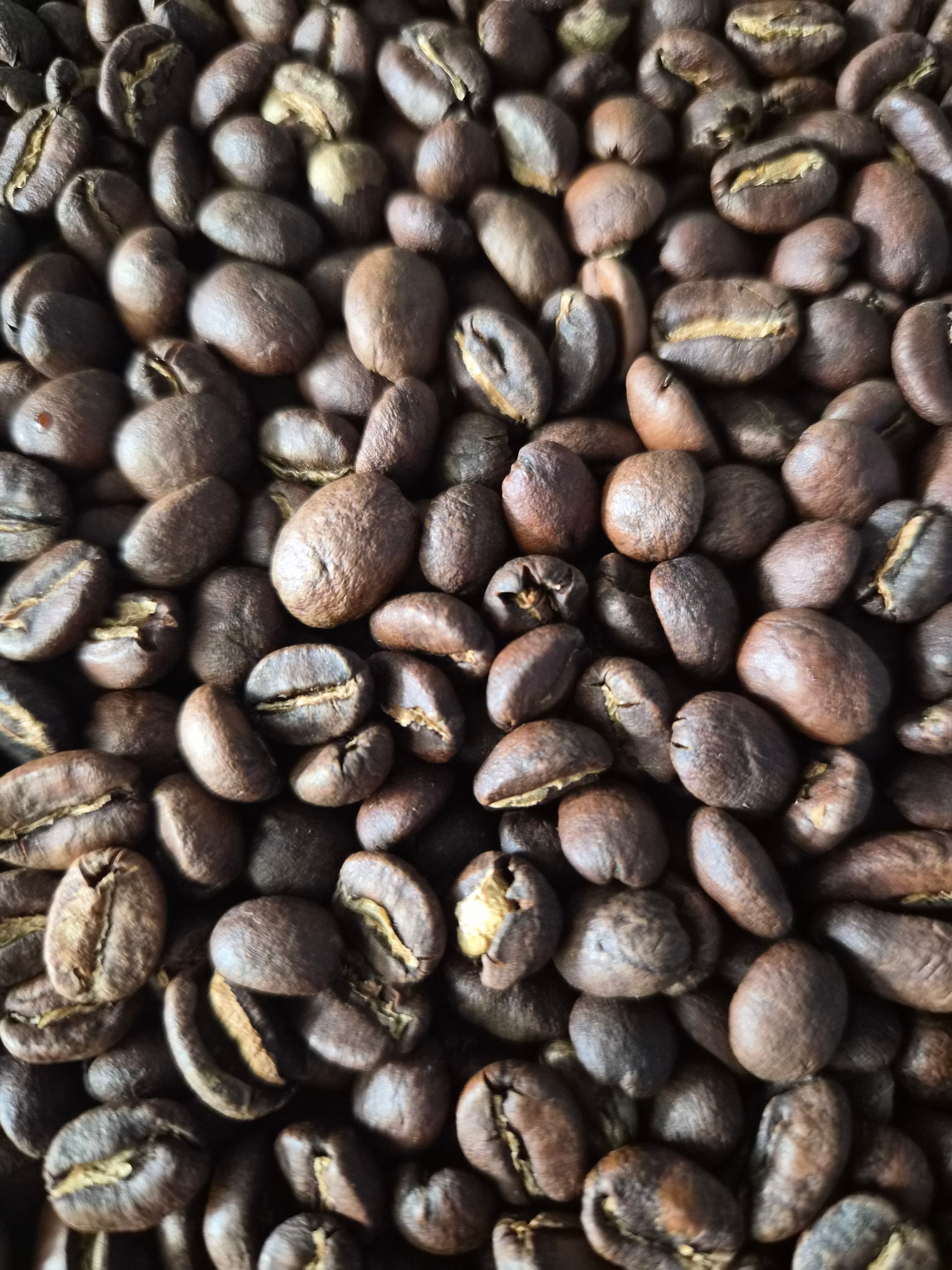
"I'm still refining and learning how I approach each and every coffee, batch by batch"
— Alan